- +256784 789336
- info@africanscenicbeautysafaris.com
- Kampala, Uganda

Kampala City
Early History: Kampala’s history dates back centuries before colonization. It was originally inhabited by the Baganda people, who established the powerful Buganda Kingdom. The city’s name “Kampala” is believed to have been derived from the Baganda words “kasozi k’empala,” meaning “hill of antelopes,” which referred to the city’s hilly terrain.
Colonial Era: In the late 19th century, British explorers and missionaries arrived in the region, recognizing its strategic importance. Uganda became a British protectorate, and Kampala was chosen as the administrative center. The British influence led to the development of infrastructure, including roads and railways.
Independence and Post-Independence Era: Uganda gained independence from British colonial rule in 1962, and Kampala was named its capital. The city symbolized the nation’s newfound freedom and aspirations. However, the country faced political turmoil and instability in the following decades, with periods of authoritarian rule and civil unrest.
Recent History: In recent years, Kampala has witnessed significant development and transformation:
- Economic Growth: Kampala has experienced rapid urbanization and economic growth. It has become a hub for trade and commerce, with a thriving informal sector and a growing middle class.
- Infrastructure Development: The city has seen improvements in infrastructure, including road networks, public transportation, and the construction of modern buildings. The Kampala-Entebbe Expressway and the completion of the Entebbe International Airport expansion have enhanced connectivity.
- Education and Healthcare: Kampala is home to numerous educational institutions, including universities and schools, making it a center for learning in Uganda. Healthcare facilities and services have also improved over the years.
- Cultural Diversity: The city’s population is diverse, with people from various ethnic backgrounds and cultures coexisting harmoniously. This diversity is reflected in its arts, music, and cuisine.
- Tourism: Kampala offers a mix of historical and cultural attractions, such as the Kasubi Tombs, the Uganda Museum, and the Lubiri Palace. Tourists visit the city for its vibrant markets, festivals, and proximity to natural wonders like Lake Victoria.
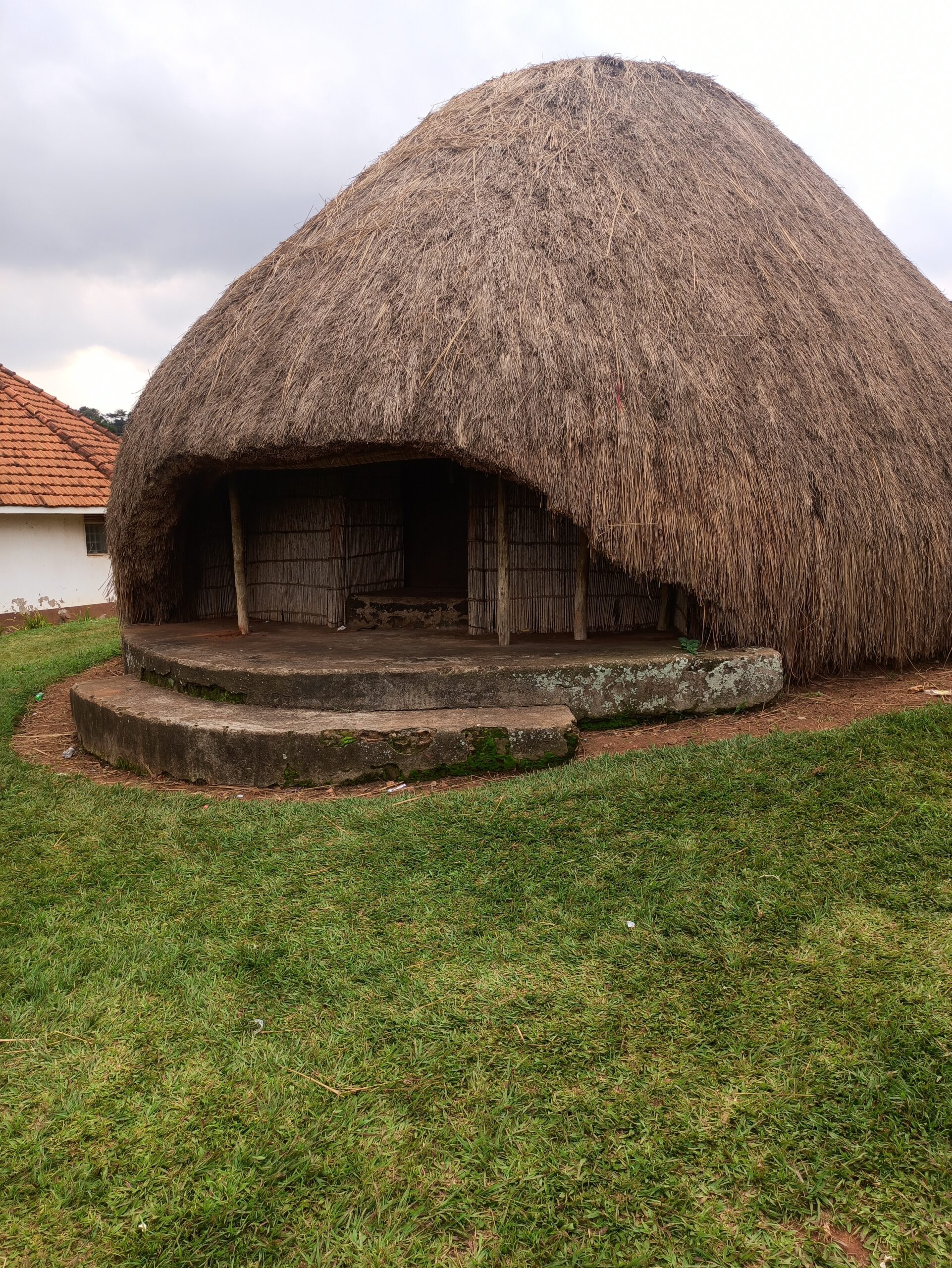
- Challenges: Despite progress, Kampala faces challenges such as traffic congestion, inadequate public services, and urban sprawl. These issues are being addressed through urban planning and development initiatives.
- Political Stability: Uganda has experienced relative political stability in recent years, with President Yoweri Museveni remaining in office. The political landscape, however, continues to evolve, with periodic elections and debates on governance and democracy.
As of my last knowledge update in September 2021, this overview provides a snapshot of Kampala’s history up to that point. Since then, further developments and changes may have occurred, shaping the city’s ongoing narrative as a dynamic and ever-evolving capital of Uganda.
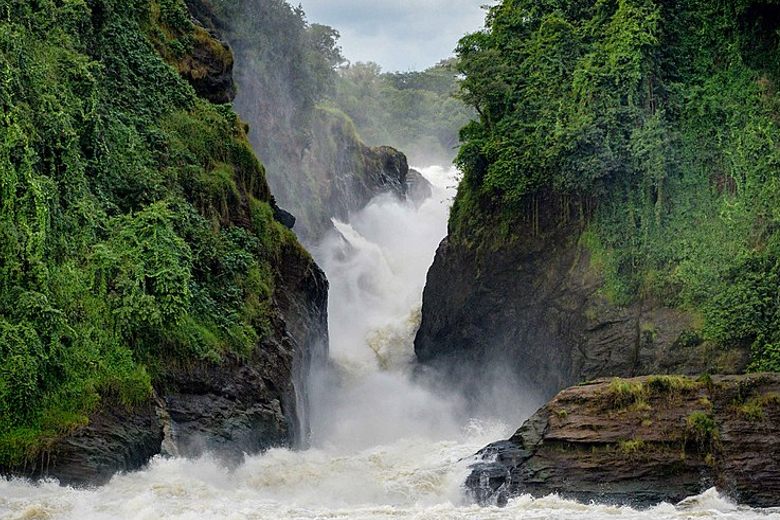
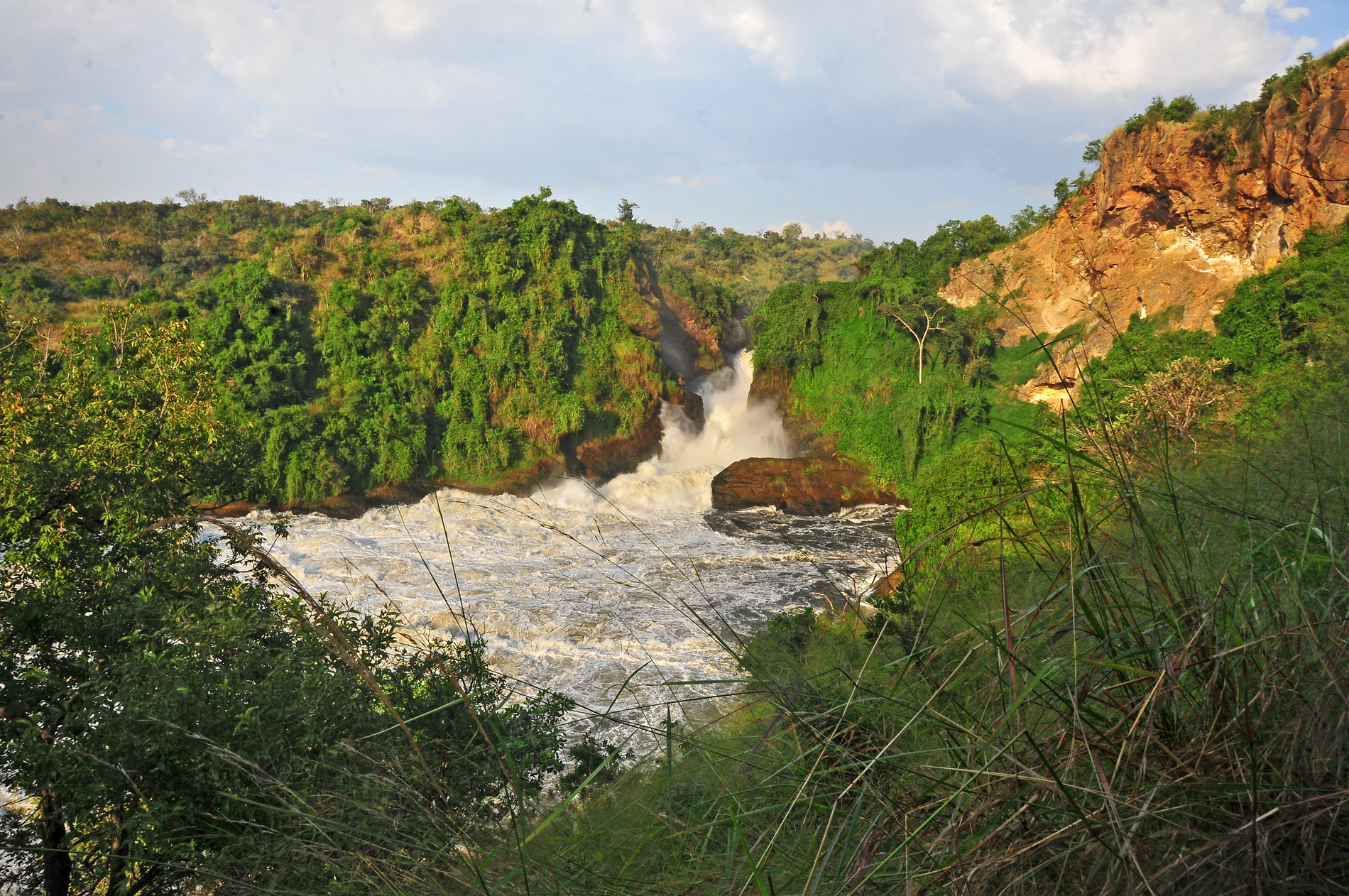
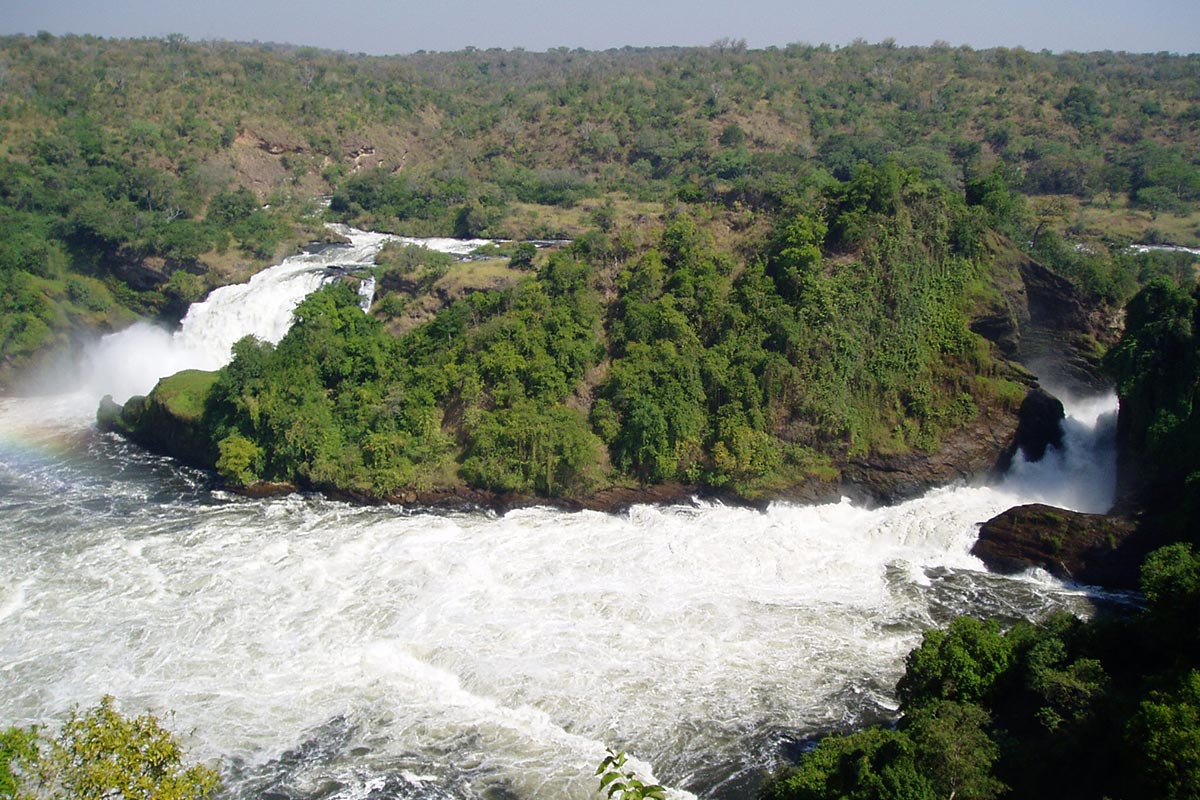
With African Scenic Beauty Safaris Discover the best of Uganda’s wildlife and nature in just three days! This adventure takes you to the stunning Murchison...
Duration
3 Days - 2 Nights
Travel tour Copyright | Powered by WordPress | Theme by TheBootstrapThemes